Blog
How to Store Vintage Wines at Home: A Collector’s Guide

For collectors and wine enthusiasts, storing vintage wines correctly is just as important as selecting the right bottles. Whether you own a rare Bordeaux, an aged Burgundy, or a classic Champagne, how you store your wine will determine its longevity, flavour, and value.
Improper storage can cause wines to age prematurely or develop faults, reducing their drinkability and investment potential. In this guide, we’ll explore the ideal storage conditions, the best ways to protect your collection, and whether a wine fridge or cellar is the right choice for your home.
1. The Best Storage Conditions for Vintage Wines
Vintage wines are delicate, and the wrong conditions can lead to oxidation, spoilage, or cork deterioration. To preserve quality, follow these golden rules for wine storage:
Ideal Wine Storage Conditions
- Temperature: Keep wines at a consistent 10–15°C (50–59°F). Fluctuations in temperature can cause the wine to expand and contract, affecting its flavour and longevity.
- Humidity: Aim for 60–70% humidity to prevent corks from drying out, which could lead to oxidation.
- Light: Store bottles away from direct sunlight and artificial UV light, as exposure can degrade the wine’s chemical composition.
- Vibration: Avoid frequent movement or vibrations, which can disturb sediment in older wines and alter the aging process.
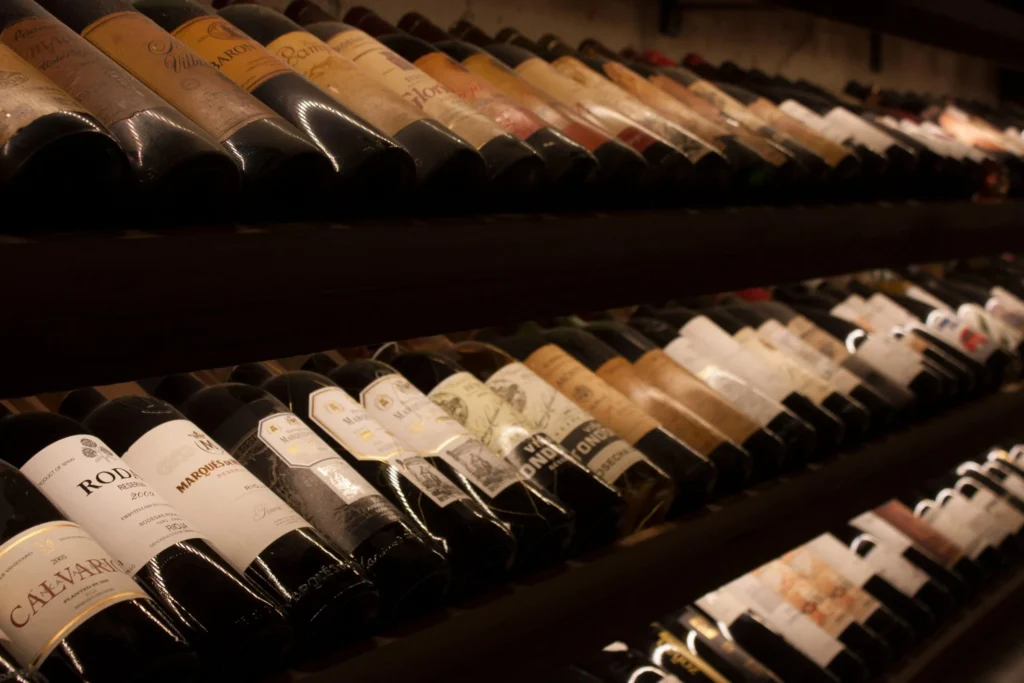
- Bottle Position: Lay bottles horizontally to keep the cork moist, preventing air from seeping in.
For collectors with high-value vintage wines, professional wine storage facilities are an excellent alternative to home storage, offering optimal conditions and insurance protection.
2. Wine Fridges vs. Wine Cellars: Which is Best?
One of the biggest decisions wine collectors face is whether to invest in a wine fridge or a full wine cellar. Each has its benefits depending on the size of your collection and storage goals.
Wine Fridges: Best for Smaller Collections & Everyday Access
A wine fridge (wine cooler) is an excellent option for collectors with a small to mid-sized collection who want easy access to their bottles while maintaining the right conditions.
Benefits of a Wine Fridge:
- Temperature Control: Keeps wines at a stable, optimal range.
- Space Efficiency: Ideal for homes without room for a full wine cellar.
- Dual-Zone Options: Allows separate temperature settings for reds and whites.
Best For: Collectors storing 20–200 bottles who want easy access and controlled conditions.
Wine Cellars: Best for Large & Investment-Grade Collections
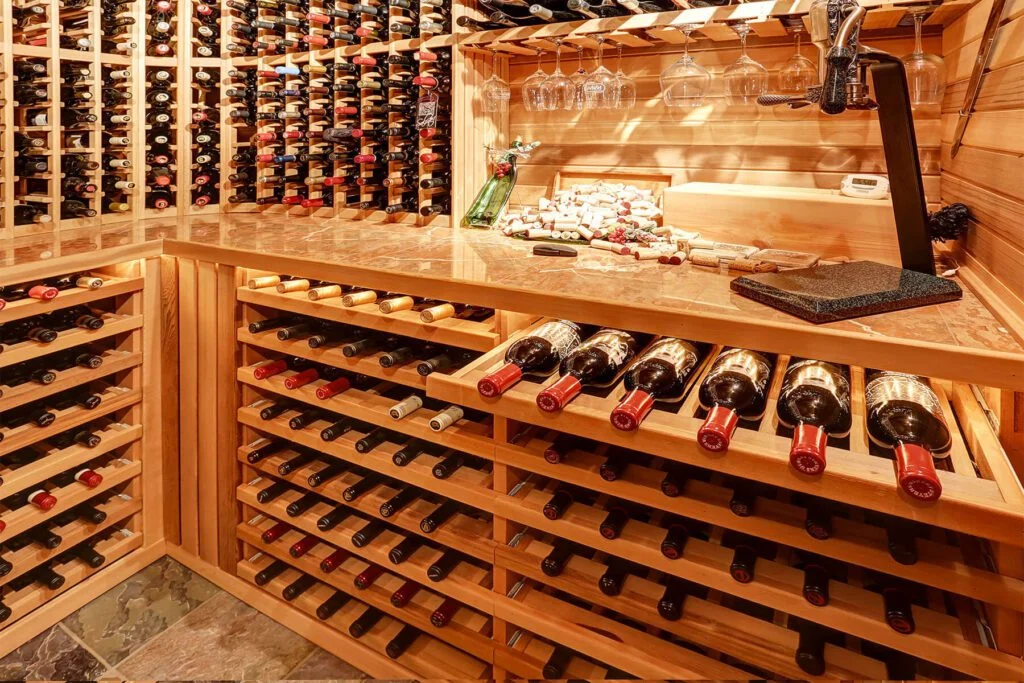
A wine cellar (either custom-built or a dedicated storage room) is the ultimate solution for serious collectors and long-term aging.
Benefits of a Wine Cellar:
- Superior Long-Term Aging: Ideal for wines that need decades to mature.
- Larger Storage Capacity: Can accommodate hundreds or even thousands of bottles.
- Custom Conditions: Allows for precise control of temperature, humidity, and lighting.
Best For: Collectors with large vintage wine collections (200+ bottles) or investors looking for long-term aging solutions.
Crystle Tip: If you’re just starting, a high-quality wine fridge is a great entry point before upgrading to a full cellar as your collection grows.
3. Decanting & Serving Vintage Wines
Once your vintage wine has been stored correctly, serving it the right way is crucial to experiencing its full depth of flavour.
When to Decant Vintage Wines
- Young Reds (Under 10 Years Old): Decant 30 minutes to 1 hour before drinking to soften tannins and open aromas.
- Aged Reds (15+ Years Old): Decant just before serving to remove sediment but avoid prolonged exposure to oxygen.
- White Wines & Champagne: Typically do not require decanting, but certain aged whites (e.g., old Chardonnay or Riesling) may benefit from brief aeration.
How to Decant a Vintage Wine
- Stand the bottle upright for at least 24 hours before serving to let sediment settle.
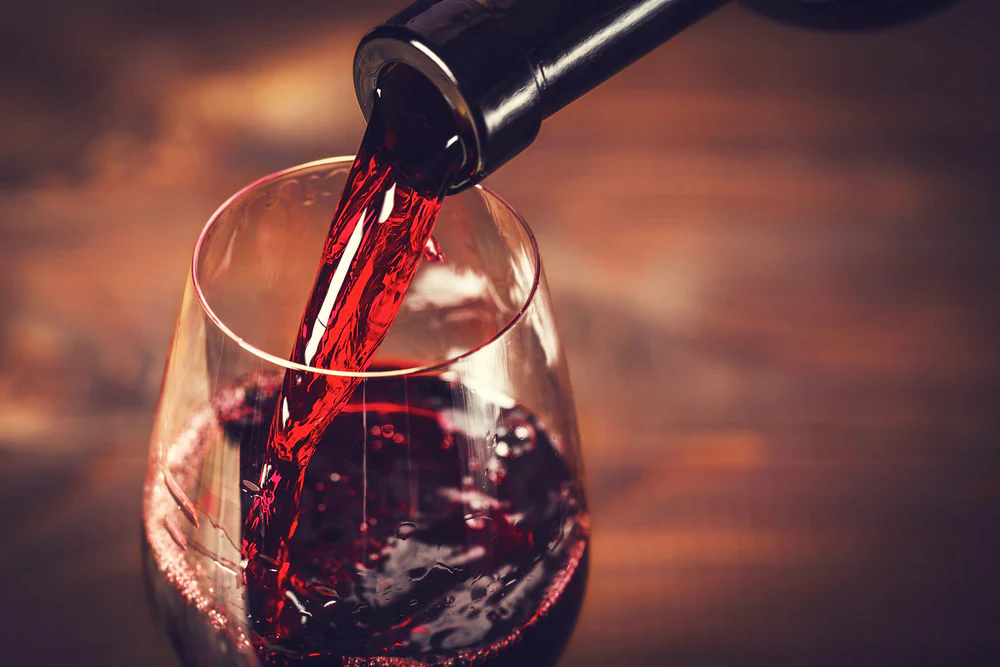
- Pour the wine slowly into a decanter, stopping when sediment reaches the neck.
- Let it breathe briefly before serving at the correct temperature:
- Reds: 14–18°C (57–65°F)
- Whites: 8–12°C (46–54°F)
- Champagne: 6–10°C (43–50°F)
4. Crystle’s Curated Selection of Vintage Wines
At Crystle, we source and store rare, investment-grade wines with the highest quality standards. Each bottle is carefully selected, ensuring optimal provenance and storage.
Why Buy from Crystle?
Expertly Curated Collection – Featuring rare Bordeaux, Burgundy, and Champagne vintages.
Guaranteed Provenance & Quality – Every bottle undergoes authenticity verification.
Investment-Worthy Wines – Ideal for long-term cellaring and appreciation.
Final Thoughts: Protect Your Investment with Proper Storage
Properly storing vintage wines at home ensures that your collection retains its quality, value, and character over time. Whether you opt for a wine fridge for convenience or a full wine cellar for long-term aging, following best practices will preserve your investment.
Looking to add to your collection? Browse Crystle’s expertly sourced vintage wines and take the next step in fine wine collecting.